
Compare the best carport designs for homes, from attached covers to freestanding structures, with practical tips for Pacific Northwest weather and style.
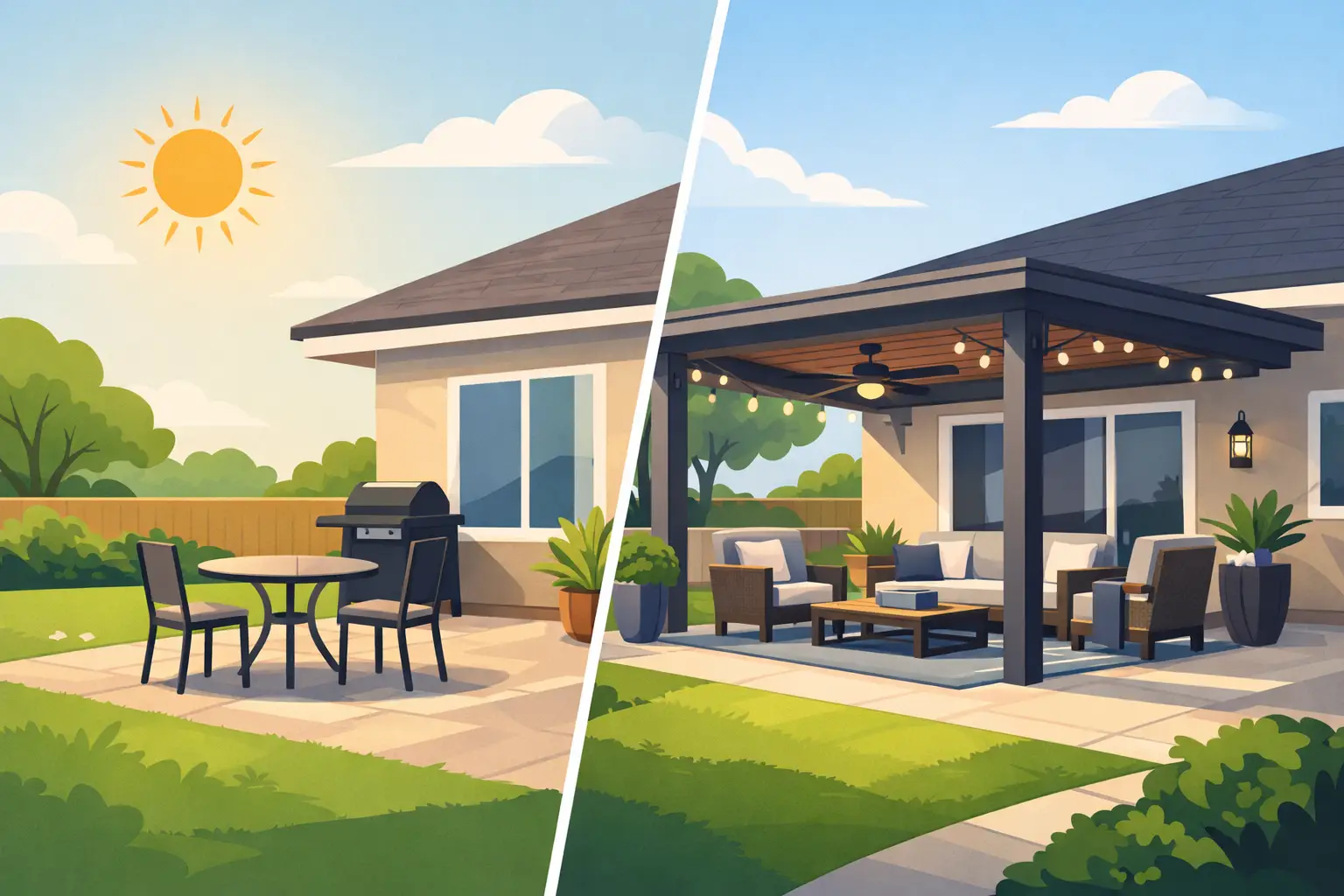
Patio Cover Before and After Transformations
A patio cover before and after transformation is often less about changing the look of a backyard and more about changing how often the space is actually used. In the Portland and Vancouver area, an uncovered patio can sit empty for months at a time because of rain, glare, damp furniture, or afternoon heat. The right cover turns that same concrete slab, deck, or paver area into a dependable extension of the home.
The most successful projects begin with a clear look at what is not working now. Maybe the patio gets full western sun when the family wants to eat dinner outside. Maybe rain runs off the roof edge directly onto the seating area. Or perhaps the space has good bones but feels unfinished because there is no protection overhead. Before-and-after results come from solving those practical problems first, then choosing a design that fits the home.
What Changes in a Patio Cover Before and After Project
Before installation, many patios are usable only when the forecast cooperates. Homeowners may drag cushions inside, cancel outdoor meals when the rain starts, or avoid the space entirely during the hottest part of the day. Furniture can weather faster, doors and windows may take the full force of afternoon sun, and a backyard gathering can become a constant search for shade.
After installation, the patio has definition. A cover creates a ceiling for the outdoor room, establishing a comfortable place for a dining table, grill, conversation set, or play area. It also provides a sense of enclosure without giving up the view of the yard. That added structure makes the space feel intentional rather than like an open area waiting for the right weather.
The visual difference can be striking, but the daily difference is usually what homeowners value most. A covered patio means fewer wet seats, less direct sunlight, and more reasons to step outside even when the weather is changing. In the Pacific Northwest, that can add meaningful use during spring, fall, and light summer rain.
Start With the Problem, Not the Product
A patio cover should not be selected just because a neighbor has one style or a photo looks good online. Every home has different rooflines, exposure, drainage needs, and patio dimensions. A structure that works beautifully on a south-facing yard may not be the best choice for a narrow side patio or a deck that receives driving rain from one direction.
An on-site consultation helps identify the right approach. The contractor can look at attachment points, roof height, existing gutters, door clearances, electrical needs, and how water moves across the property. This is especially important in the Portland-Vancouver climate, where rain management is not an afterthought. Proper slope, flashing, guttering, and drainage details protect both the new cover and the home it attaches to.
Homeowners should also think about how they want to use the patio after the project is complete. A quiet coffee spot needs something different from an outdoor kitchen or a gathering area for extended family. Knowing whether the priority is shade, rain protection, privacy, airflow, or a finished architectural look makes the design process more productive.
Solid Covers for Reliable Weather Protection
A solid patio cover is often the clearest before-and-after upgrade for homeowners who want dependable protection from both sun and rain. These covers provide a sheltered area where outdoor furniture, grills, and dining spaces can stay in place more comfortably. They are a practical choice for homeowners who want to use their patio through more of the year.
The trade-off is that a solid roof blocks more light than an open structure. This may be ideal over a hot, exposed patio, but it requires careful planning near rooms that already receive limited natural light. A thoughtful design can balance coverage with brightness by considering the cover depth, roof material, and placement in relation to windows and doors.
Pergolas and Lattice Covers for Filtered Light
For homeowners who enjoy an open-air setting but want relief from direct sun, a pergola or lattice cover can create a major visual improvement. The before image may show a patio that feels flat and exposed. The after image has overhead lines, texture, and a stronger connection between the house and landscape.
Open-style structures do not provide the same rain protection as a solid patio cover, so they are best for homeowners whose main concern is shade and visual appeal. They can also work well in combination with climbing plants, outdoor curtains, or other landscape features. The key is being realistic about the weather protection they provide.
Design Details That Make the After Photo Work
The difference between a cover that looks added on and one that looks like part of the original home often comes down to details. Proportions matter. A cover that is too small may not protect the seating area, while one that extends too far can overwhelm the patio or block desired light.
Color selection also makes a difference. Matching or complementing the home’s trim, siding, roofline, and existing exterior finishes helps the project feel cohesive. Clean fascia lines, finished posts, integrated gutters, and well-placed downspouts contribute to the polished result homeowners expect from a custom installation.
Height deserves close attention as well. A taller cover can feel open and airy, especially on a larger patio, while a lower profile may better suit a smaller space or ranch-style home. Roof pitch and attachment height must be planned around the existing structure, not forced into a one-size-fits-all layout.
Lighting can extend the improvement after sunset. A covered patio is a natural place for recessed lighting, ceiling fans where appropriate, or simple fixture planning. Even if electrical work is not part of the first phase, discussing it early can prevent inconvenient changes later.
A Better Patio Is Also Easier to Maintain
The after portion of a patio cover project should be durable, not just attractive on installation day. Northwest rain, wind, moisture, and seasonal debris can be hard on exterior structures. Material selection and proper installation help reduce the maintenance burden while protecting the investment.
Aluminum patio covers are a popular option because they offer dependable weather resistance and a clean finished appearance. Quality materials can provide long-term value, particularly when backed by lifetime material warranties. However, every material and design has care requirements. Gutters should be kept clear, fasteners and connections should be checked periodically, and nearby trees may need trimming to prevent debris buildup.
Existing patio conditions should also be addressed before construction begins. Cracked concrete, weak deck framing, drainage issues, or settling can affect how the finished project performs. A professional assessment helps identify those concerns early, when they are usually easier to handle.
What to Expect From the Installation Process
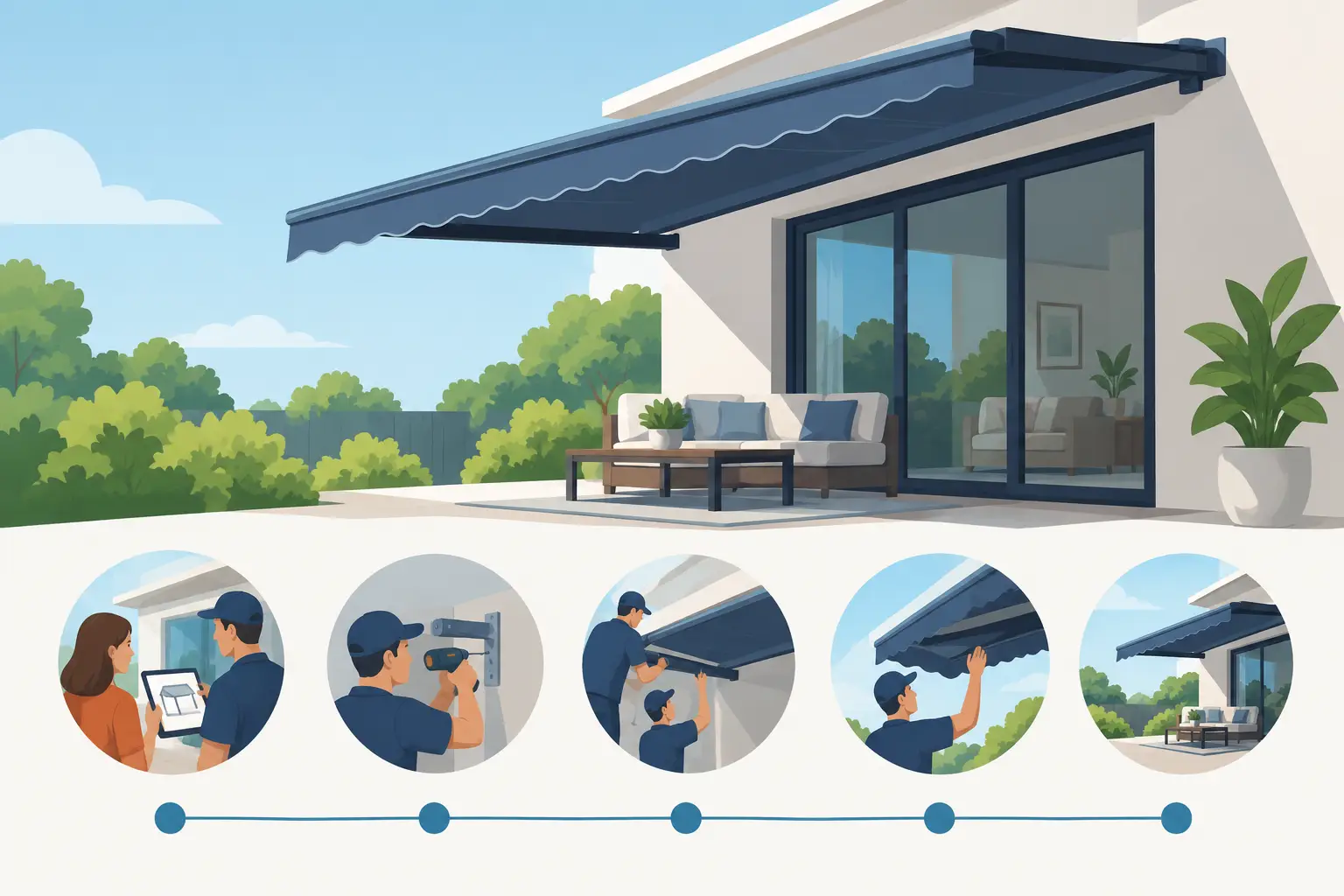
A custom patio cover project generally starts with measuring the space and discussing priorities. From there, the design is matched to the home, materials are selected, and the installation plan is prepared. Depending on the scope and local requirements, permitting may be part of the process. A qualified local contractor can help homeowners understand what applies to their property.
During installation, the crew should protect the work area, communicate clearly, and focus on accurate attachment and weatherproofing. Fast and reliable service matters, but so does taking the time to get the structural and finishing details right. The goal is not simply to install a cover. It is to create a structure that performs well through years of Northwest seasons.
For more than 50 years, May Awning & Patio has helped local homeowners turn exposed outdoor areas into comfortable, practical spaces built for the way they live. A free estimate gives you the opportunity to discuss your patio, see what design options fit the home, and make decisions based on real conditions rather than a catalog photo.
When you picture your own patio cover before and after, focus on the moments you want to have outside: a dry place to sit during a spring shower, a cooler dinner spot in July, or a covered gathering area when family visits. That is where a well-designed patio cover earns its place.

Related Posts
Comments (0)