
Compare the best carport designs for homes, from attached covers to freestanding structures, with practical tips for Pacific Northwest weather and style.
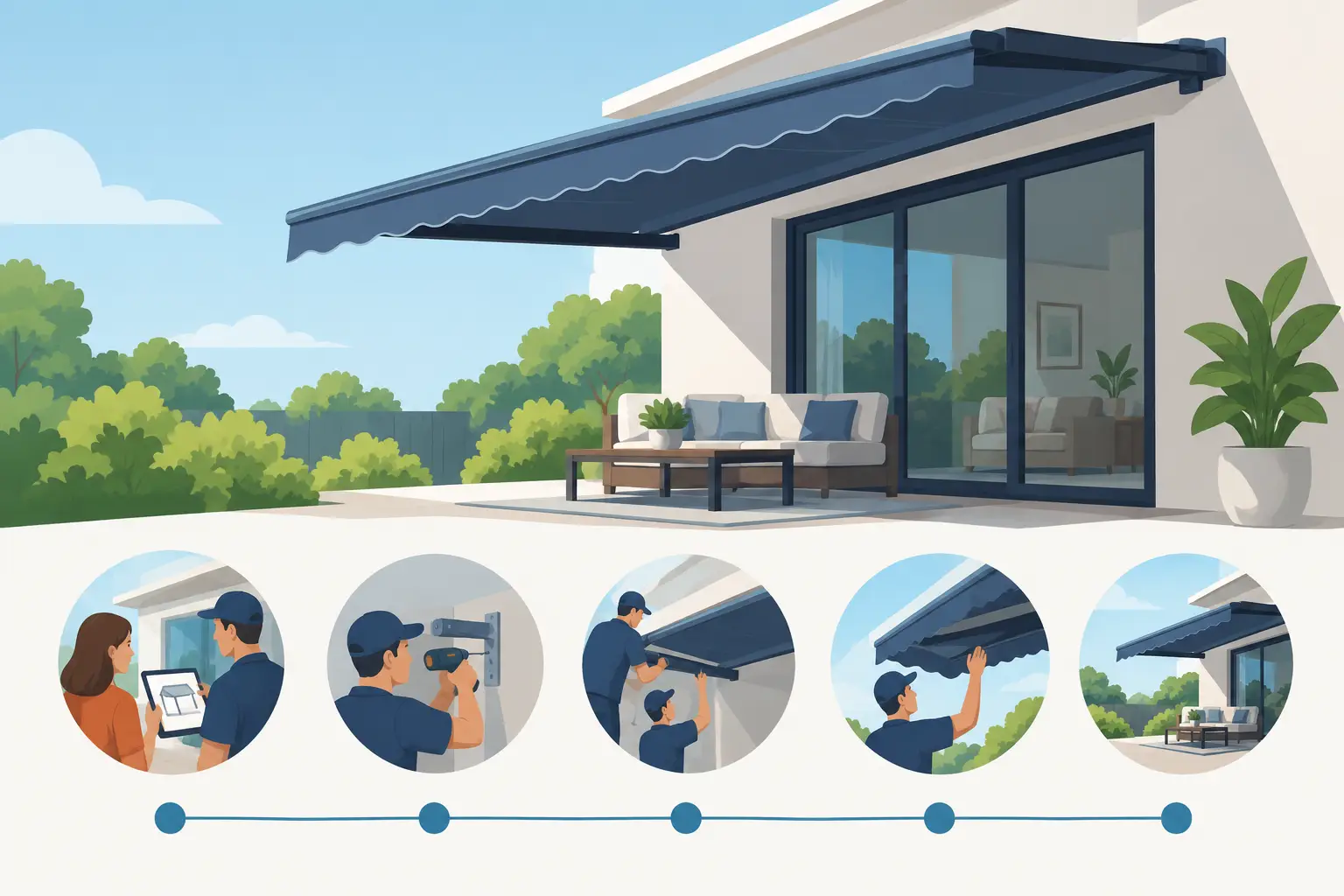
Your Awning Installation Timeline, Explained
A new awning can make a sunny west-facing window more comfortable, keep rain from collecting at an entry, or give a patio a better chance of being used through a Northwest spring. But before the finished structure is in place, homeowners naturally want to know the awning installation timeline. The honest answer is that it depends on the product, the site, local requirements, and the degree of customization. A straightforward window or door awning may move quickly, while a larger patio cover or custom shade structure needs more planning.
For Portland and Vancouver homeowners, a reliable timeline is not about rushing through the work. It is about getting the design, attachment, materials, and installation details right the first time. That helps protect your home, your investment, and the comfort of the space for years to come.
What Starts the Awning Installation Timeline
The process begins with an on-site consultation and estimate. This is where a professional installer evaluates the area you want to cover, takes measurements, discusses how you use the space, and looks at the home’s construction. A patio that gets intense afternoon sun needs a different solution than a front entry exposed to steady rain and wind.
During this visit, you can talk through the type of awning or cover that best fits your goals. Fixed aluminum awnings, fabric retractable awnings, window awnings, door covers, pergolas, and patio covers all have different lead times and installation needs. Color, frame style, roof configuration, gutter placement, electrical needs, and access to the work area can affect the final plan.
A thorough consultation prevents common surprises later. For example, an installer may identify siding that requires special flashing, a roofline that limits mounting options, or a drainage issue that should be addressed before the structure is installed. These details are not delays for their own sake. They are part of building a result that performs well in Pacific Northwest weather.
Typical Awning Installation Timeline by Project Stage
Design and final approval
Once you choose a direction, the contractor finalizes the specifications, pricing, and scope of work. For a simple, standard-size awning, this step can be brief. Custom projects often take longer because dimensions, material selections, structural requirements, and finish colors must be confirmed before ordering.
This is the best time to ask practical questions: How far will the awning project from the wall? Where will water drain? Will it block a window view or exterior light? How will it look alongside existing trim, decking, or landscaping? A clear, approved plan keeps the project moving and gives you confidence in what will be installed.
Permits and site requirements
Not every awning requires a permit, but larger covers, permanent structures, and projects involving electrical work or structural modifications may. Requirements can vary by city, county, and the specific property. Homes within an HOA may also need design approval before work begins.
When permitting is needed, the timeline depends partly on the reviewing agency. Some approvals are relatively quick; others require plan review, revisions, or additional documentation. Weather protection is valuable in our region, but the structure still needs to meet applicable building requirements.
An experienced local contractor can help identify when permits are likely to apply and prepare the project accordingly. Homeowners can help avoid unnecessary hold-ups by checking HOA rules early and confirming property access, boundaries, and any planned landscaping or exterior work that could conflict with the installation.
Fabrication and material ordering
After the design is approved, materials are ordered or fabricated. This is often the longest portion of the awning installation timeline, especially for custom-built patio covers, specialty frame colors, retractable systems, or structures sized specifically for your home.
Lead times can also change with manufacturer schedules, seasonal demand, and material availability. Spring and early summer are popular installation periods because homeowners are preparing to use their outdoor areas. Planning ahead can provide more scheduling flexibility, though a qualified contractor can still advise on realistic options if you need coverage sooner.
Quality materials are worth waiting for. A properly fitted, durable awning is not a temporary patch for sun or rain. It should complement the home, hold up to regular exposure, and provide dependable shade or weather protection over the long term.
Scheduling the installation
When materials are ready, your installation date is scheduled. Most homeowners only need to prepare by clearing furniture, planters, grills, and other belongings from the work area. If the crew needs access through a gate, garage, or interior space, those details should be arranged in advance.
Weather can influence the schedule, particularly during wet or windy periods. Professional crews monitor conditions closely because safe mounting, sealing, and finishing work require the right conditions. A short reschedule is sometimes the responsible choice, particularly when working at height or completing weather-sensitive exterior details.
The goal is fast and reliable service, not a rushed installation that compromises workmanship. Good communication matters here. You should know what to expect before the crew arrives and be informed promptly if conditions require an adjustment.
Installation day
The actual installation is often much shorter than the planning and fabrication stages. Many standard awnings can be installed in a day. Larger custom patio covers, pergolas, and structures with more complex framing may take multiple days, depending on size, site conditions, and finish work.
The crew will protect the work area as needed, place and secure the structure, confirm proper attachment to the home or supporting posts, and address flashing and drainage details. For retractable systems, they will test operation and explain basic use and care. For fixed structures, they will inspect alignment, connections, and the finished appearance before cleaning up.
A professional installation should leave you with a structure that looks intentional, not added as an afterthought. Straight lines, secure mounting, clean transitions at the wall, and thoughtful water management all make a difference.
What Can Speed Up or Slow Down the Process?
The biggest factor is whether your project is standard or custom. A small, straightforward door awning with readily available materials generally takes less time than a large patio cover designed around an irregular roofline, existing deck, or special color requirement.
Permits, HOA approval, and structural changes can add time, as can limited access to the installation site. A narrow side yard, steep grade, mature landscaping, or an elevated deck may require additional planning. Electrical additions, such as lighting or motorized retractable awnings, may also involve coordination beyond the awning installation itself.
Homeowner decisions matter, too. Selecting the product and approving the estimate promptly helps materials get ordered sooner. At the same time, it is wise not to skip the design conversation just to save a few days. Changing size, color, or mounting details after fabrication has begun can create a much longer delay than careful planning at the start.
Planning Your Project for the Northwest Climate
Homeowners often assume summer is the only season to install an awning or patio cover. In reality, many projects can be completed throughout the year when site and weather conditions allow. The better question is when you want the space ready.
If you want dependable shade by the first warm stretch of summer, start the consultation process well before the busiest season. If rain protection for a patio, entry, or outdoor cooking area is your priority, planning in fall or winter may make sense. Custom covers can add usable outdoor time in every season, provided the design accounts for drainage, wind exposure, and the way water moves around your home.
May Awning & Patio has served the Portland and Vancouver area since 1967, and that local experience matters when choosing an exterior structure. Products and installation methods should be selected for real Northwest conditions, not just how they look in a catalog.
A Better Timeline Starts With the Right Questions
The most useful estimate is not simply the fastest promised date. It is a clear plan that explains what is being installed, what approvals may be needed, when materials are expected, and what could affect scheduling. Ask whether the estimate includes installation, flashing, removal of an existing structure, cleanup, and warranty information.
Then choose a contractor with the experience to set honest expectations and stand behind the finished work. A well-planned awning project may take a little patience, but the payoff is a more comfortable home and an outdoor space that is ready when you are.

Related Posts
Comments (0)