
Compare the best carport designs for homes, from attached covers to freestanding structures, with practical tips for Pacific Northwest weather and style.

What a Free Patio Cover Estimate Should Include
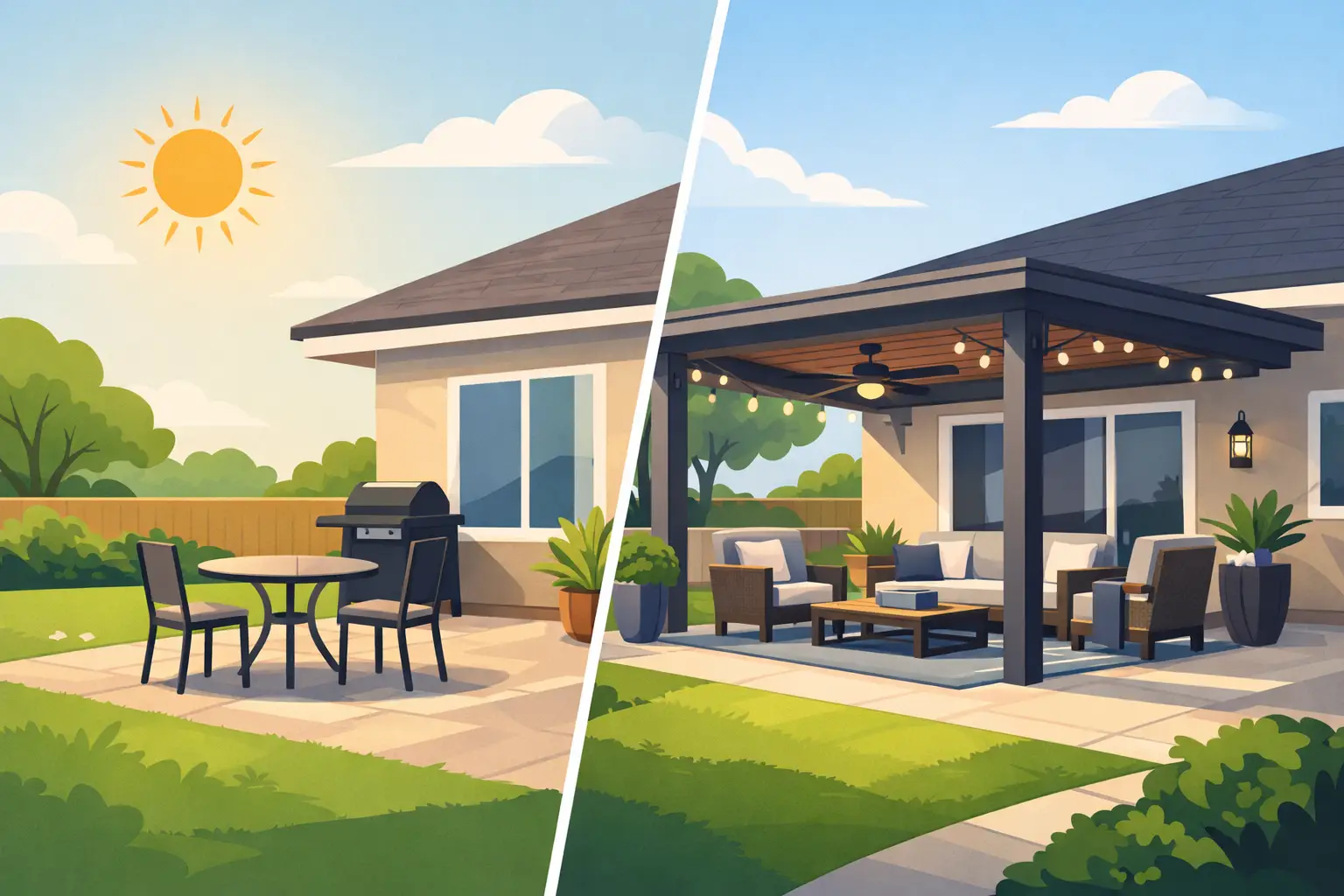
A patio cover project usually starts the same way – you step outside after another rainy afternoon or a stretch of hot summer sun and realize your patio is not getting used the way it should. That is where a free patio cover estimate becomes more than a price quote. It is the first real step in turning an exposed slab or deck into a more comfortable, usable part of your home.
For homeowners in Portland and Vancouver, that estimate matters because outdoor structures here have to do real work. They need to handle steady rain, shifting temperatures, and long periods of moisture while still looking right with the house. A quick number over the phone can sound convenient, but a useful estimate should do more than give you a rough cost. It should help you understand what fits your space, what affects the budget, and what kind of result you can expect once the job is complete.
Why a free patio cover estimate matters
Not all estimates are equally helpful. Some are little more than a sales starting point. A better estimate gives you clarity. It should reflect the size of your patio, the style of cover you want, the condition of the installation area, and the level of customization needed.
That matters because patio covers are not one-size-fits-all. A solid cover for year-round rain protection is a different project than an open lattice that adds filtered shade. A cover attached to the home involves different design and installation considerations than a freestanding structure in the yard. If the estimate does not account for those details, the final number can move a lot later.
A good contractor uses the estimate process to identify practical needs early. That includes drainage, attachment points, roofline compatibility, and how the finished structure will look from both the yard and the street. When those conversations happen up front, homeowners can make decisions with fewer surprises.
What should be included in a free patio cover estimate
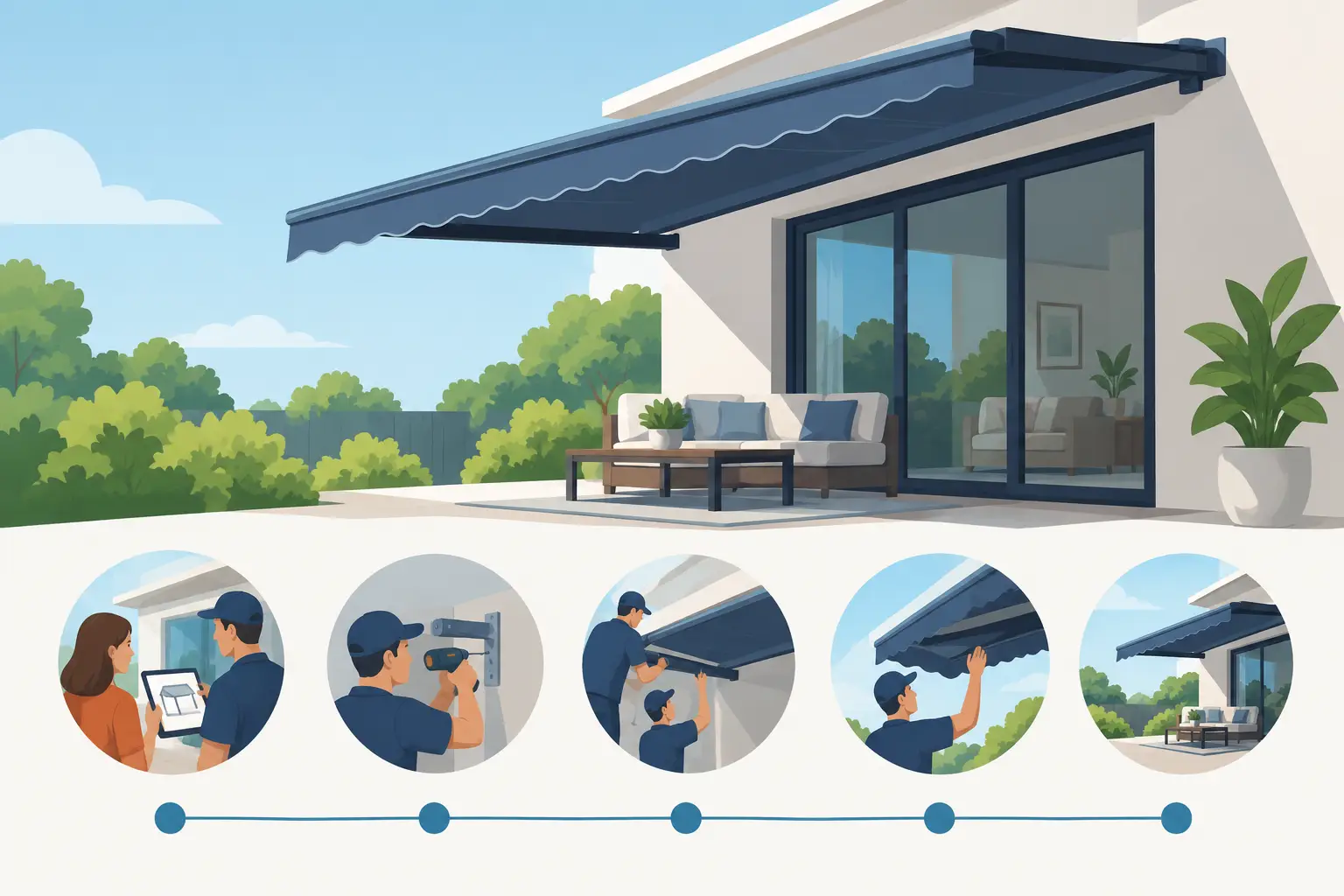
A strong free patio cover estimate should begin with an on-site evaluation. Measurements are the obvious part, but the visit should also look at grade, access, existing concrete or decking, nearby doors and windows, and the overall condition of the area where the cover will be installed.
From there, the estimate should outline the proposed structure in plain language. That may include whether the cover is insulated or non-insulated, attached or freestanding, solid or lattice, and what material will be used for the frame and roof components. If there are finish options, color choices, or upgrades that affect price, those should be discussed clearly rather than left vague.
Labor and installation should also be part of the conversation. Homeowners deserve to know whether the price reflects a complete installation or just basic materials with allowances that may change later. If permits, engineering, site prep, or removal of existing structures may be needed, it is better to bring that up early. Not every project requires the same level of preparation, and that is exactly why estimates need to be specific.
Warranties are another important piece. Durable materials and dependable workmanship matter more when a structure is exposed to Northwest weather year after year. A lower price can look attractive at first, but if the estimate says little about product quality or long-term support, it may not be the better value.
What affects patio cover pricing
Homeowners often want the estimate to answer one question right away – what will it cost? That is fair. But the honest answer is that patio cover pricing depends on several real-world factors.
Size is one of the biggest. Larger covers use more material and usually require more labor, but price is not based on square footage alone. Design complexity matters too. A simple rectangular cover is generally more straightforward than a custom layout shaped around multiple doors, windows, or architectural features.
Material choice has a major impact. Aluminum patio covers are popular because they are durable, low maintenance, and well suited for wet climates. Insulated roof panels can improve comfort by reducing heat gain and making rain noise less intense, but they also change the cost. Decorative upgrades, integrated lighting, fan supports, and custom posts can all influence the final number.
Installation conditions also play a role. If access is tight, if the surface below needs correction, or if the existing structure of the home requires special attention for attachment, the project may involve more labor than it appears from a simple photo. That is one reason online price calculators and ballpark numbers only go so far.
Why on-site estimates are usually more accurate
It can be tempting to ask for a quote by email and move on. Sometimes that works for a very rough range, but it rarely gives a complete picture. An on-site estimate allows the contractor to see details that homeowners may not think to mention, such as soffit conditions, roof overhangs, drainage paths, or the exact relationship between the patio and the house.
That in-person visit also helps with design. A patio cover should not feel like an afterthought. It should fit the scale of the home, complement its style, and solve the problem that led you to start looking in the first place. Some families want more shade for afternoon heat. Others want a dry, comfortable area for entertaining through much of the year. The best estimate process leaves room for those goals, not just measurements.
For a regional contractor serving the Portland and Vancouver area, local experience can make a noticeable difference here. Pacific Northwest weather is not theoretical. It affects pitch, materials, drainage, and long-term performance. A contractor who works in this climate every day is more likely to spot issues early and recommend a practical design.
Questions worth asking during a free patio cover estimate
The estimate appointment is not only for the contractor to gather information. It is also your chance to see how the company works. Ask what type of patio cover makes the most sense for your home and why. Ask what is included in the quoted price and what could change it. Ask about the installation timeline, warranty coverage, and whether the structure is designed specifically for your site.
It also helps to ask what trade-offs come with different options. For example, a lattice cover can create an open, airy look and partial shade, but it will not provide the same rain protection as a solid roof system. An insulated cover may cost more up front, yet it can improve comfort enough to make the patio more usable in summer and during light weather swings. Good advice is not about pushing the highest-ticket option. It is about matching the structure to the way you live.
You should also pay attention to how clearly the contractor communicates. If the answers are rushed or vague during the estimate, that can carry over into the project itself. A dependable company should be able to explain the process in a direct, easy-to-follow way.
Choosing value over the lowest number
A free patio cover estimate is helpful because it removes friction at the start, but the goal is not simply to collect the cheapest bid. The goal is to understand what you are buying. Two estimates can look close on paper while representing very different materials, warranty support, and installation quality.
That is especially true with custom exterior work. The patio cover has to look right, perform well, and hold up over time. Saving money on the front end may not feel like much of a win if the structure leaks, fades, rattles, or ages poorly. The better value usually comes from a contractor who measures carefully, explains options honestly, and builds with long-term use in mind.
For many homeowners, trust matters as much as price. A family-owned company with decades of experience, established local credibility, and a reputation for standing behind its work can offer something a low bid cannot – confidence that the project will be handled properly from design through installation. That peace of mind is part of the estimate too, even if it does not show up as a line item.
If you are considering a patio cover, use the estimate as a conversation, not just a number. The right one should leave you with a clearer plan, realistic expectations, and a design that makes your outdoor space easier to enjoy in every season.

Related Posts
Comments (0)