
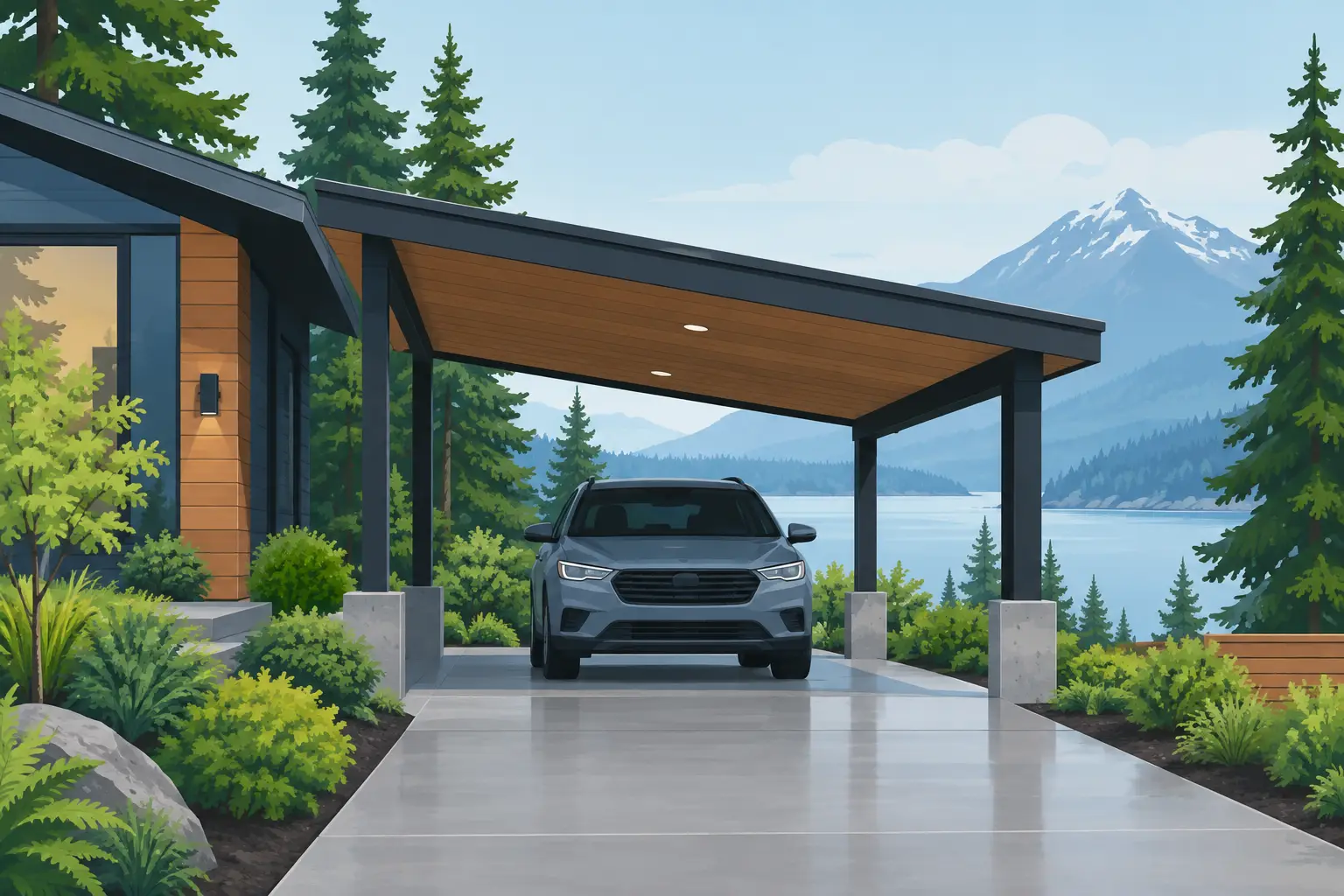
Compare the best carport designs for homes, from attached covers to freestanding structures, with practical tips for Pacific Northwest weather and style.

How to Choose Patio Cover Options That Last
A patio that looks perfect in July can feel like wasted space by October if the cover is wrong. Around Portland and Vancouver, that matters. If you are wondering how to choose patio cover options for your home, the right answer usually comes down to weather, layout, materials, and how you actually want to use the space year-round.
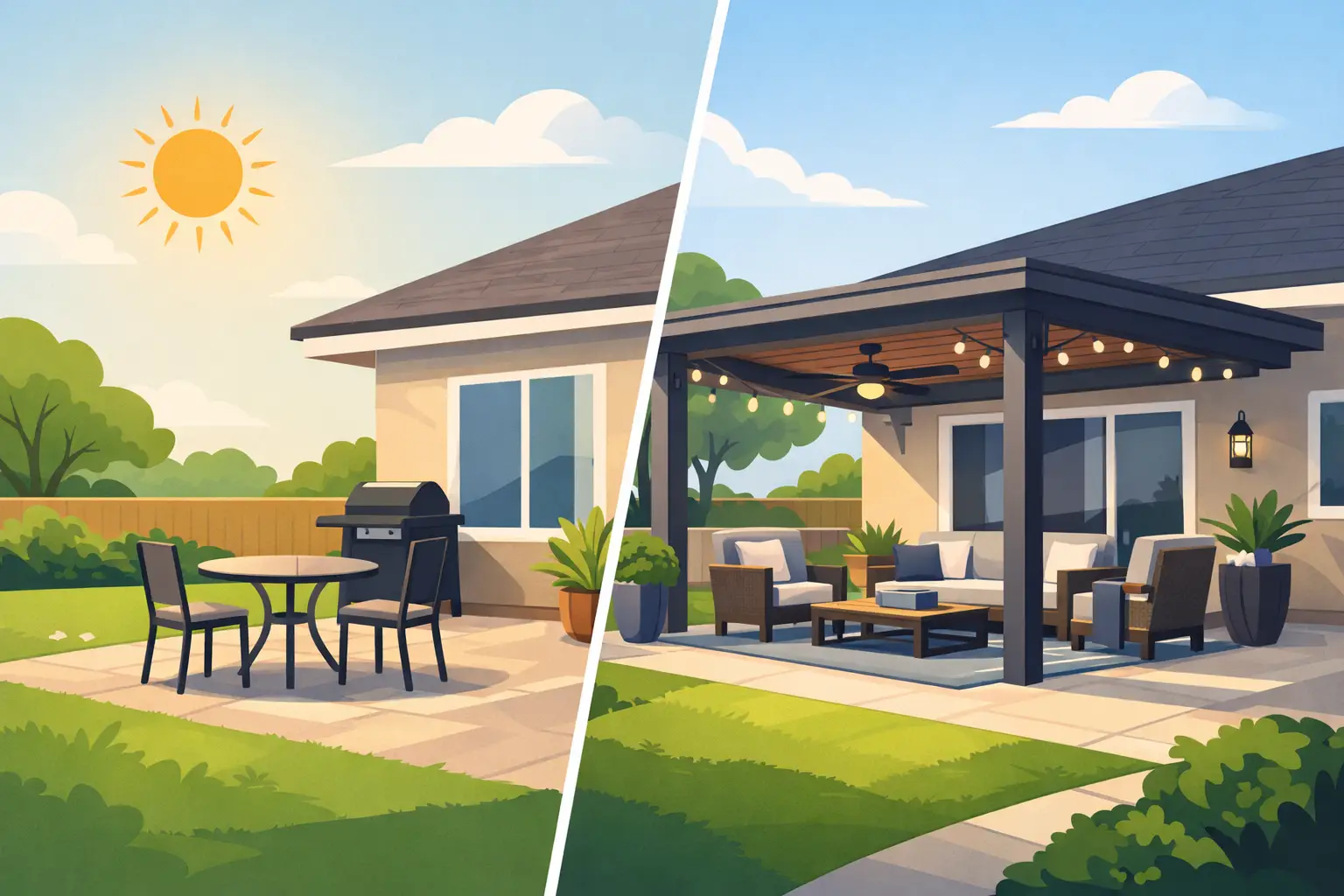
A good patio cover should do more than add shade. It should make your outdoor area more comfortable in light rain, protect furniture, fit the style of your home, and hold up over time without turning into a maintenance project. The best choice is not always the biggest or most expensive one. It is the one that matches your home, your habits, and the Pacific Northwest climate.
How to choose patio cover for your climate and lifestyle
Start with the reason you want a patio cover in the first place. Some homeowners mainly want relief from afternoon sun. Others want to sit outside during a drizzle, keep the grill area dry, or create a more finished outdoor living space for family gatherings. Those goals affect everything from roof style to material selection.
In the Portland and Vancouver area, rain protection usually matters more than homeowners expect. An open lattice or pergola can look great, but it will not give you the same everyday usability as a solid patio cover. If you want to enjoy your patio through more of the year, especially in spring and fall, a cover with true overhead protection often makes more sense.
Sun angle matters too. A cover that blocks midday sun may still leave you with glare and heat in the late afternoon, depending on the orientation of your yard. West-facing patios usually need more thoughtful shade planning than patios tucked behind a home with natural tree cover. This is why on-site measurement and design are so important. What works on one property may not work well on the lot next door.
Choose the right patio cover type
Not all patio covers solve the same problem. A solid cover is often the best fit for homeowners who want dependable protection from rain and stronger shade coverage. It creates a more usable outdoor room feel and can help protect doors, windows, and patio furniture from weather exposure.
A lattice patio cover offers a lighter look and partial sun control. It is a good option if you want definition over the patio without fully closing in the space. That said, it is not the right solution if your main goal is to stay dry during wet weather. Many homeowners like the appearance of lattice, but later realize they wanted more protection than it can provide.
Pergolas can add architectural interest and improve the look of a backyard, especially when paired with landscaping or climbing plants. But like lattice, they are more about filtered light and style than full weather coverage unless additional features are added.
If you are trying to make the patio feel like a true extension of the home, a more substantial cover or enclosed option may be worth considering. The right structure depends on whether you want occasional shade, regular outdoor dining, or a space that works in every season except the coldest days.
Material choice affects maintenance and lifespan
One of the biggest decisions in how to choose patio cover designs is the material. Homeowners often compare appearance first, but long-term upkeep matters just as much.
Aluminum is a popular choice because it is durable, low maintenance, and well suited to wet Northwest conditions. It resists rot, insect damage, and many of the problems that can come with traditional wood structures. For homeowners who want clean lines, reliable performance, and less maintenance over the years, aluminum is often a practical investment.
Wood has natural warmth and charm, and in the right setting it can be beautiful. But it usually requires more maintenance, especially in a damp climate. Paint, stain, moisture exposure, and long-term structural wear all deserve attention. If you love the look of wood, it is worth going in with clear expectations about upkeep.
Insulated roof panels are another option for homeowners who want stronger temperature control and a more finished feel overhead. These systems can reduce heat buildup and make the covered space more comfortable during warmer months. They can also create a cleaner, more polished appearance from below.
The best material is not just the one you like most on day one. It is the one you will still be happy with after years of rain, sun, debris, and seasonal maintenance.
Think about attachment, drainage, and roofline
A patio cover has to work with your house, not just your patio slab. The roofline, wall height, door placement, gutters, and drainage all affect the design.
An attached patio cover often feels more integrated and convenient, especially when it extends from the back door and creates a direct transition outdoors. It can make the patio feel larger and more connected to the home. A freestanding structure can be a better fit in yards where the ideal seating area is farther from the house or where attachment points are limited.
Drainage is especially important in the Pacific Northwest. Water needs a clear path off the cover and away from the home. A poor design can lead to runoff problems, splashback, or unnecessary wear near the foundation and patio edges. This is one reason custom design matters. The cover should not just fit the space visually. It should also handle real weather the right way.
The pitch of the roof matters as well. Too flat, and drainage may suffer. Too steep, and the structure may feel bulky or out of proportion. A balanced design protects the space while still looking like it belongs with the home.
Match the patio cover to your home and budget
A patio cover should improve curb appeal and backyard appeal, not look like an afterthought. Color, trim style, post size, and roof design all influence the final result.
For some homes, a simple modern profile works best. For others, decorative details create a better match. The goal is not to overdesign it. It is to make the finished structure look natural, like it was meant to be there from the beginning.
Budget matters, of course, but it helps to think beyond upfront cost. A lower-priced cover may cost more over time if it requires frequent maintenance or does not provide the protection you really wanted. On the other hand, paying for features you will never use is not a smart investment either.
The best value usually comes from a patio cover that solves the right problem the first time. If your main frustration is losing use of the patio for much of the year, then a partial-shade product may leave you disappointed. If you only want a lighter design accent over a small seating area, a full insulated cover may be more than you need.
Work with a contractor who designs for your property
This is where many patio cover projects go right or wrong. A strong contractor does more than sell a standard structure. They look at sun exposure, roof connection points, drainage, yard layout, and how the finished cover will be used.
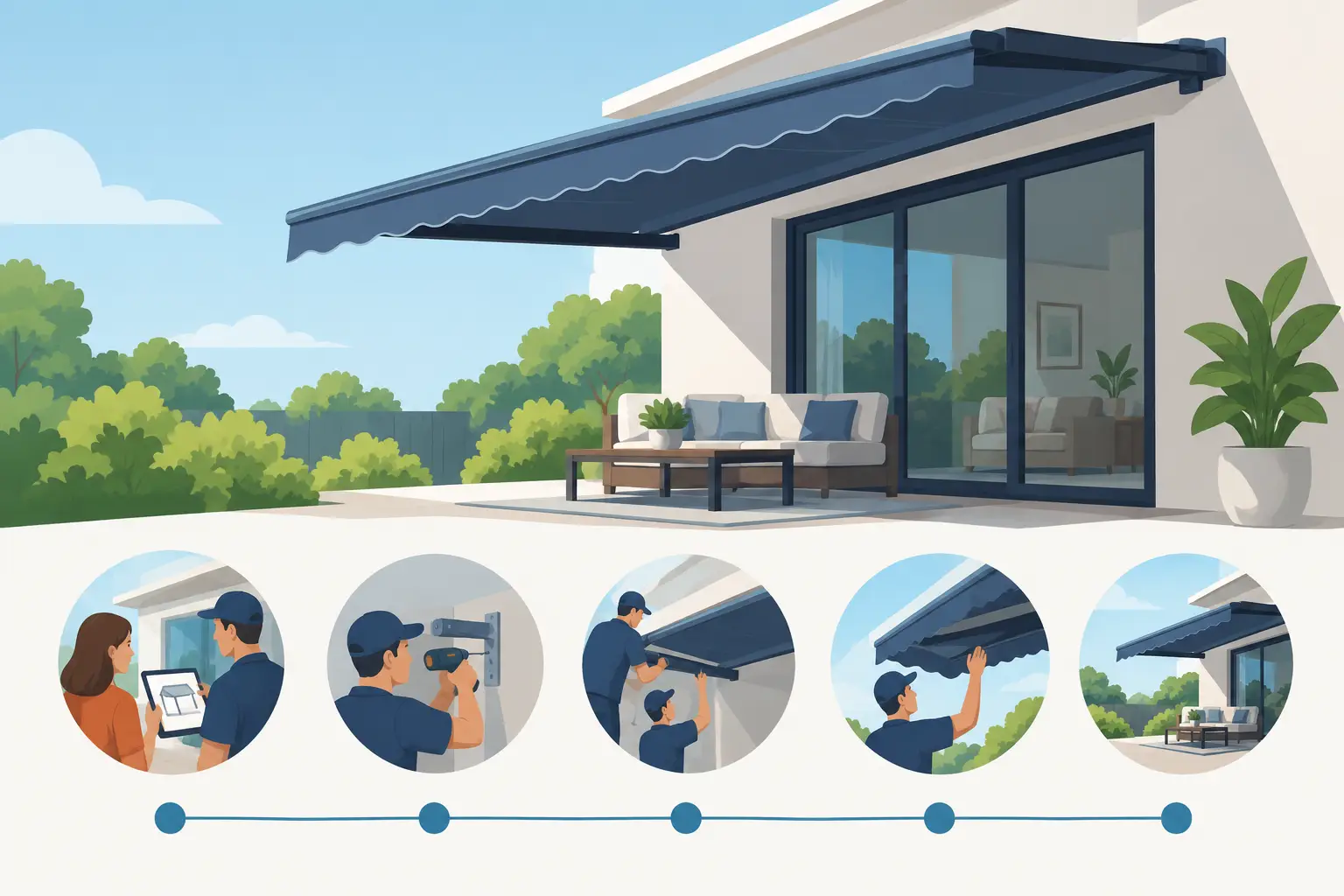
Custom sizing matters. So does installation quality. A patio cover has to be square, properly supported, flashed correctly, and built to stand up to local weather. Fast installation is important, but so is getting the structure right the first time.
It also helps to work with a company that stands behind its materials and workmanship. Patio covers are long-term additions to the home, not short-term purchases. Homeowners should feel confident that if they need service, repairs, or answers later, someone local will be there.
For that reason, many homeowners in this area prefer a contractor with a long track record in Portland and Vancouver rather than a company passing through. Experience shows up in the details, especially when a project has to fit an existing home cleanly and perform well in Northwest weather.
A simple way to make the right choice
If you are still narrowing it down, ask yourself three practical questions. Do I want shade, rain protection, or both? How much maintenance am I willing to take on? And do I want this patio to feel occasional or truly usable most of the year?
Those answers usually point you in the right direction faster than comparing photos alone. From there, a professional on-site consultation can help fine-tune size, style, materials, and placement based on your home.
At May Awning & Patio, we have seen that the best patio cover projects start with honest planning, not guesswork. When the design fits your home, your weather, and the way you live, the patio stops being a fair-weather space and starts becoming one of the most useful parts of the property.
A well-chosen patio cover should make staying home a little easier, a little more comfortable, and a lot more enjoyable every month of the year.

Related Posts
Comments (0)