
Compare the best carport designs for homes, from attached covers to freestanding structures, with practical tips for Pacific Northwest weather and style.

Rainproof Outdoor Living Solutions That Last
A patio in the Northwest can look perfect in July and sit empty by October. That is the real frustration behind the search for rainproof outdoor living solutions. Homeowners in Portland and Vancouver are not usually trying to create a resort-style backyard for two sunny months. They want a space that works through drizzle, showers, wet leaves, and long stretches of gray weather without turning into a constant maintenance project.
That goal changes the conversation. It is not just about adding cover. It is about building the right kind of protection for the way you actually live, the size and shape of your home, and the amount of weather exposure your outdoor space gets.
What rainproof outdoor living solutions really need to do
A structure that keeps off a light mist but leaks at every seam during a steady winter rain is not much of a solution. In the Pacific Northwest, weather protection has to be consistent. It also has to feel like a natural extension of the home rather than an afterthought bolted onto the back wall.
The best rainproof outdoor living solutions do three things at once. They keep water off the usable area, they hold up over time with minimal upkeep, and they fit the style of the house. If one of those pieces is missing, homeowners usually feel it later. A cheap cover may stop rain for a season but start showing wear quickly. A well-built structure that looks out of place can make the whole yard feel disconnected. And a beautiful design that does not account for drainage, pitch, or wind exposure can become an expensive lesson.
This is why custom planning matters. Two homes on the same street can need very different solutions depending on rooflines, door placement, sun exposure, yard layout, and how the space is used day to day.
The most practical types of rainproof outdoor living solutions
For most homeowners, the right answer starts with a covered structure designed for year-round weather. That could mean a solid patio cover, a roof system tied into the house, a covered pergola with added weather protection, or a sunroom depending on how enclosed you want the space to feel.
Solid patio covers
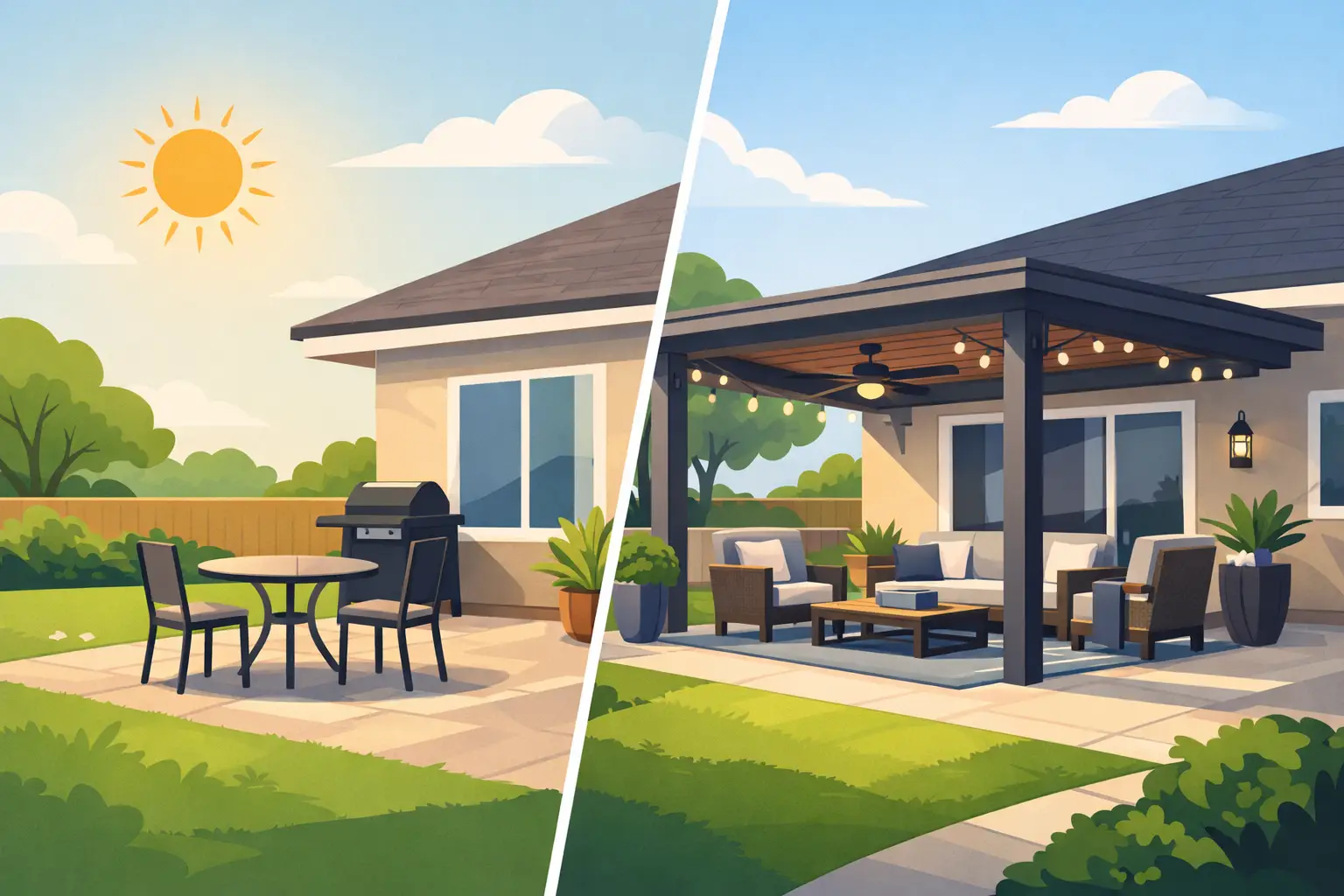
A solid patio cover is often the most direct way to create dependable rain protection. It gives you a dry area for outdoor dining, grilling, relaxing, or simply getting in and out of the house without standing in the rain. When designed well, it also reduces direct sun exposure during warmer months and can help protect patio furniture from constant weather wear.
This option works especially well for homeowners who already use their patio regularly and want to keep that routine going through more of the year. The trade-off is that a solid cover changes light levels. That can be a benefit in summer, but depending on placement, some homeowners want to be careful about reducing natural light into adjacent rooms.
Pergolas with added protection
A pergola by itself is not rainproof. It provides style, structure, and partial shade, but open rafters do not stop Pacific Northwest rain. That said, pergolas can become part of a more weather-conscious design when paired with additional cover elements.
This is where expectations matter. If your goal is full rain protection, a pergola needs more than decorative appeal. It has to be designed with materials and features that address actual water exposure. For some homeowners, that hybrid look offers the best balance between open-air character and practical cover.
Awnings for targeted protection
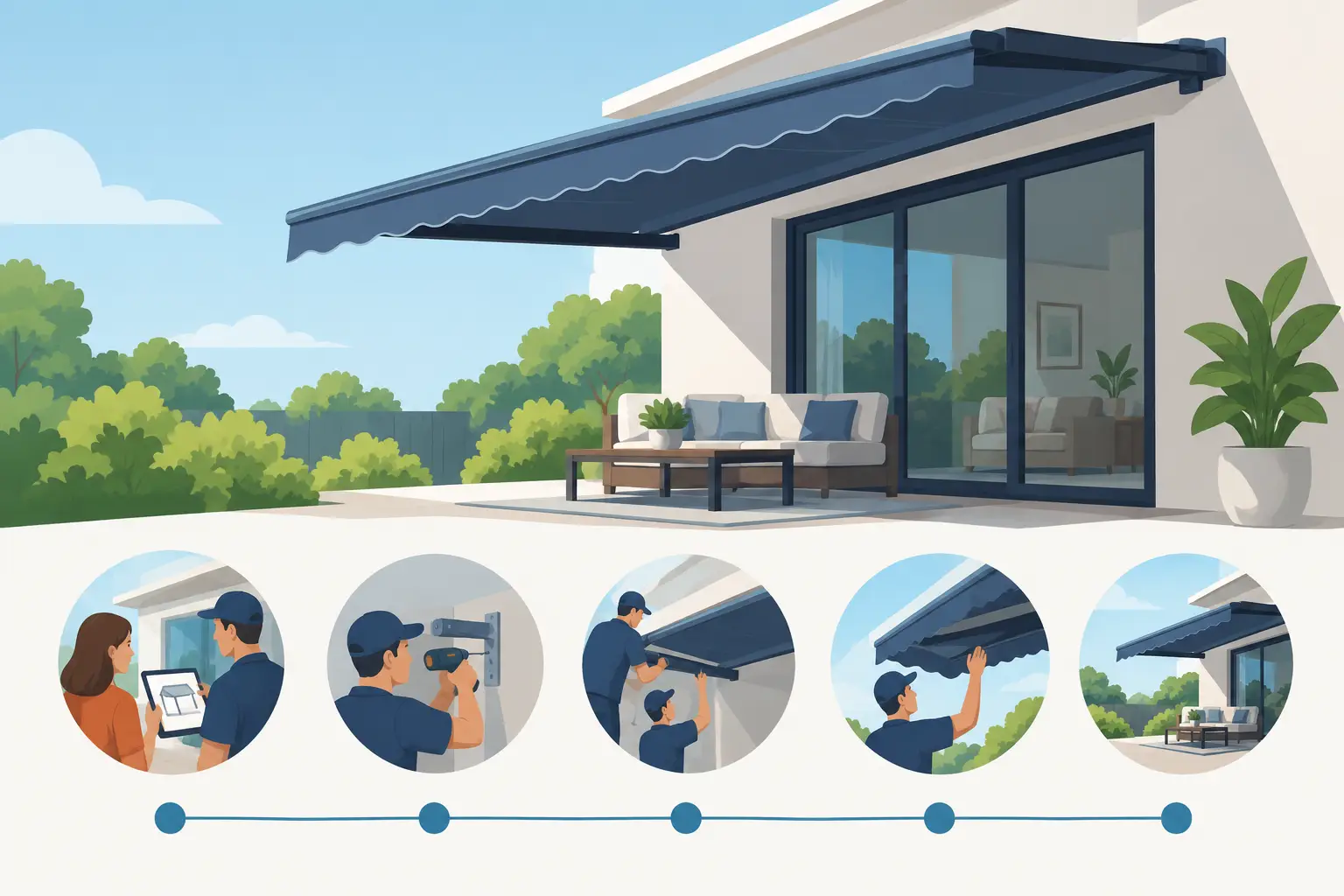
Window and door awnings play a different role, but they are still valuable outdoor weather solutions. They protect entry areas, reduce water at thresholds, and can help limit sun gain through windows. They are not a replacement for a full patio cover, but they do solve real comfort and maintenance issues around the home.
For smaller spaces, or for homeowners who want to improve weather protection in stages, awnings can be a smart first step. They also add curb appeal when matched carefully to the home’s architecture.
Sunrooms and enclosed spaces
If you want the most shelter possible, a sunroom creates a more complete separation from the weather. This is a stronger move than a covered patio because it shifts the space closer to indoor-outdoor living rather than simply outdoor living with cover.
It is not the right fit for everyone. A sunroom is a bigger investment, and some homeowners prefer the feel of a more open patio. But for those who want maximum use through rain and colder months, it can deliver a level of comfort that open structures cannot.
Why material choice matters in the Northwest
Rain exposes weak materials quickly. That is why the surface appeal of a structure should never be the only deciding factor. The Pacific Northwest asks a lot from outdoor building products. Moisture, debris, temperature swings, and seasonal wear all add up.
Durable aluminum systems are popular for a reason. They resist rot, require less upkeep than many wood alternatives, and can provide a clean, finished appearance that holds up well over time. Wood has a classic look and can be beautiful when maintained properly, but it usually asks for more attention. That is not a dealbreaker, but it should be part of the decision.
Homeowners often do best when they think in terms of lifetime cost rather than upfront price alone. A lower-cost installation can lose its value fast if it needs frequent repairs, repainting, sealing, or early replacement. Better materials paired with proper installation usually pay off in fewer problems and more years of daily use.
Design details make or break performance
When a homeowner says they want a rainproof patio, the design conversation should go beyond square footage. Water management is the real test. Roof pitch, attachment method, runoff direction, gutter planning, and how the structure meets the home all matter.
This is where experience shows. A cover that looks fine in a showroom photo may behave very differently on a house with complicated rooflines or a yard that channels water in the wrong direction. Good design accounts for the house as it exists, not as an idealized sketch.
It also helps to think through use before construction starts. If the space will hold a dining table, outdoor kitchen, or seating area, the structure needs to cover the right footprint. If you want to keep a grill dry but still ventilated properly, layout matters. If privacy is part of the goal, side screening or orientation may be worth discussing early.
Comfort is about more than staying dry
Homeowners usually start with rain because that is the most obvious problem. But once a space is covered, other benefits become clear. A properly designed structure can make outdoor spaces cooler in summer, protect surfaces from UV damage, and create a more comfortable transition between indoors and out.
That matters for everyday life. It means fewer canceled family dinners outside. It means kids can play under cover when the weather is mixed. It means a patio can stay cleaner and more usable instead of turning slick and messy after every storm.
For many households, the biggest value is not dramatic. It is simple consistency. The space becomes available more often, with less setup, less cleanup, and fewer weather-related compromises.
Choosing the right contractor for rainproof outdoor living solutions
Even the best materials can disappoint if the installation is rushed or poorly planned. Homeowners should look for a contractor with a long track record, local experience, and a clear process for design, fabrication, and installation.
That local piece matters in this market. A contractor familiar with Portland and Vancouver weather patterns, permitting expectations, and common home styles is better equipped to recommend a solution that performs well long term. A one-size-fits-all approach rarely delivers the best result.
It also helps to work with a company that can guide the project from consultation to completion instead of handing off pieces along the way. Clear communication, dependable scheduling, and accountability after the install are part of what makes a major home improvement feel worthwhile. May Awning & Patio has built its reputation around that kind of full-service approach, with custom designs, reliable installation, and durable products made for Northwest conditions.
When the best solution is custom, not bigger
Some homeowners assume a better outdoor space means building the largest cover possible. In practice, the best answer is often more precise than that. The right solution fits how you use the space, complements the home, and solves the weather problem without creating new ones.
A smaller, well-placed cover can outperform a larger structure that darkens interior rooms or overwhelms the yard. A simple awning over the right doorway can improve daily comfort more than a decorative backyard feature that sees little use. Good design is not about doing more. It is about doing the right work in the right place.
If you are planning improvements for your home, think less about creating an outdoor showpiece and more about building a space you will actually use when the forecast looks familiar. In the Northwest, that is where lasting value starts.

Related Posts
Comments (0)