
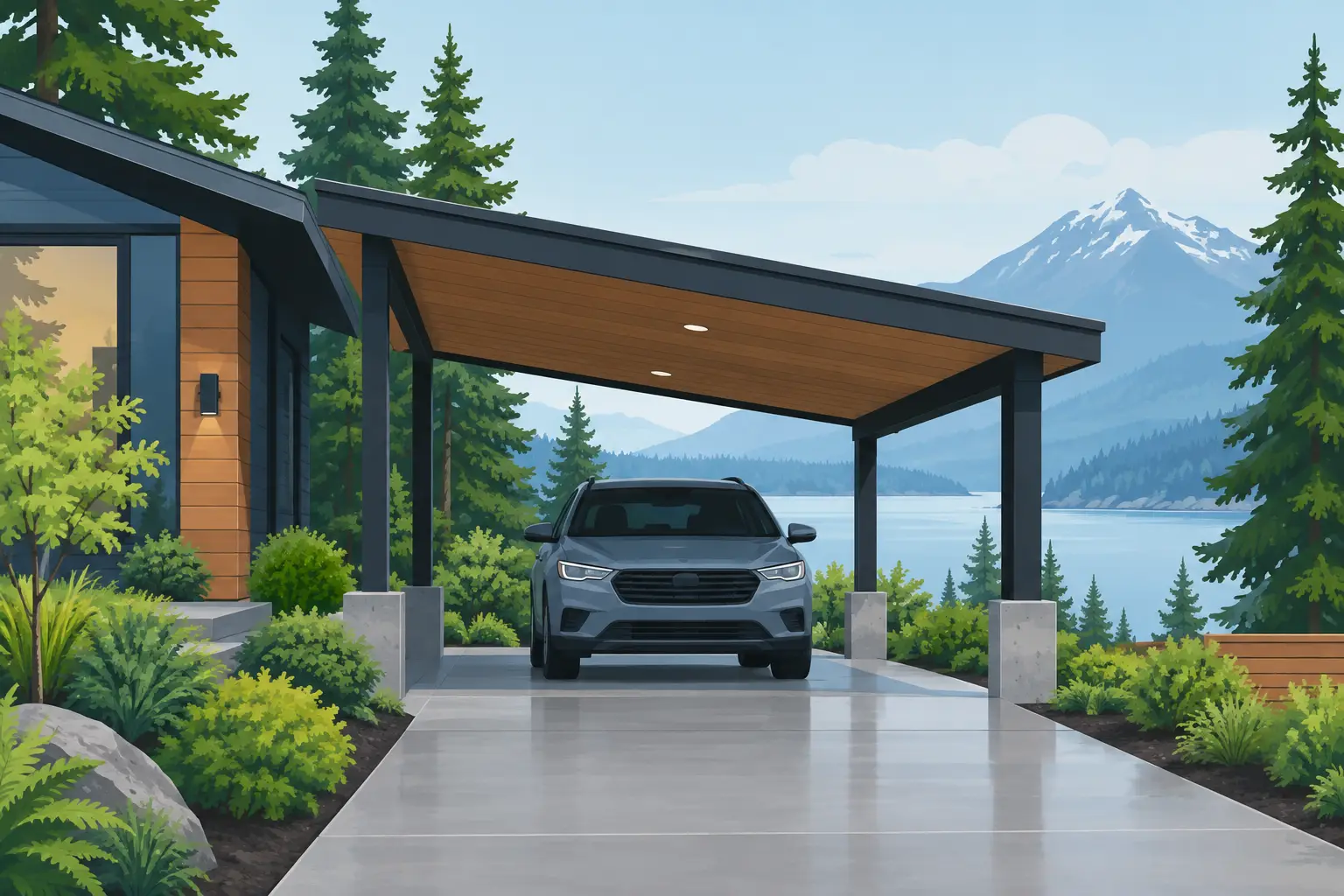
Compare the best carport designs for homes, from attached covers to freestanding structures, with practical tips for Pacific Northwest weather and style.

Patio Cover Buying Guide for NW Homes
A patio cover can look simple from the street, but the right one changes how you use your home. In the Pacific Northwest, that matters. A good patio cover buying guide should help you think beyond shade alone and focus on rain protection, durability, maintenance, and how the structure will actually perform through long wet seasons and bright summer days.
If you are planning a new cover, start with the way you want to use the space. Some homeowners want a dry area for grilling and outdoor dining. Others want a cooler place for summer afternoons or a more comfortable transition between the house and backyard. The best choice usually comes down to how much coverage you need, how permanent you want the structure to feel, and how closely it should match your home.
What a patio cover should do well
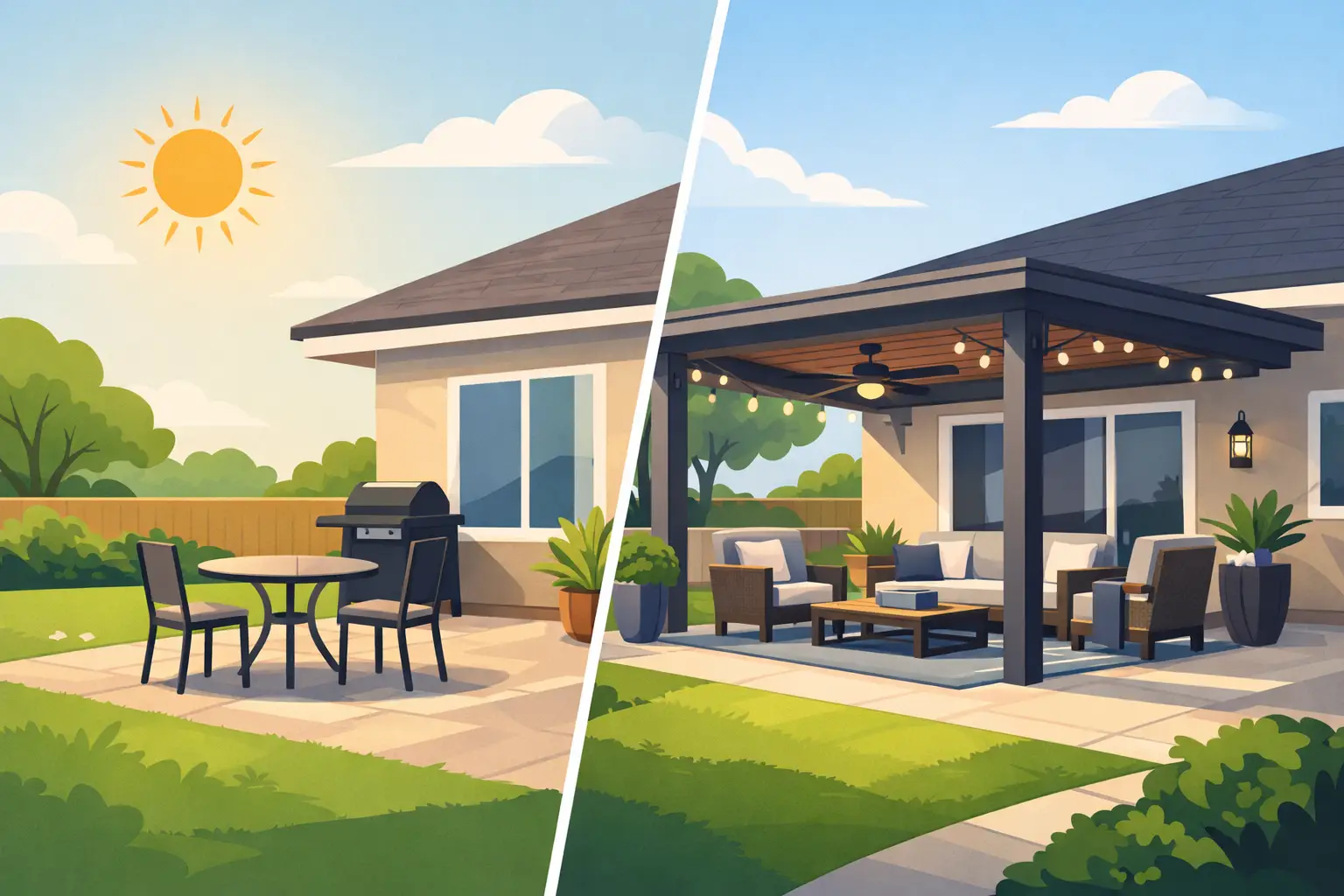
A patio cover needs to do more than look finished. It should make the space more usable, protect surfaces and furniture, and hold up to local weather without becoming a maintenance burden. In the Portland and Vancouver area, that means planning for frequent moisture, seasonal debris, and shifting light conditions throughout the year.
This is where many homeowners get stuck. They may compare styles first, when the better place to begin is performance. Ask whether you want full rain coverage or filtered shade. Think about whether water runoff will affect walkways, landscaping, or nearby doors. Consider how much sunlight you still want in adjacent interior rooms. These details influence the right design far more than color samples do.
Patio cover buying guide: start with the structure type
Not every patio cover creates the same result. Solid covers, lattice covers, pergola-style structures, and insulated roof systems each serve a different purpose.
A solid patio cover is often the best fit for homeowners who want dependable protection from rain and stronger sun control. It can make a patio feel like a true outdoor room and usually offers the most practical day-to-day use in a Northwest climate. If you entertain often or want to keep furniture and grills drier, this option deserves a serious look.
A lattice cover or open pergola-style structure creates partial shade and visual interest, but it does not provide full weather protection. That can be ideal if your main goal is to soften direct sun without fully enclosing the feeling of the patio. The trade-off is obvious during rainy months. You gain openness, but you lose all-season coverage.
Insulated roof panels are worth considering when heat control and comfort are high priorities. These systems can help reduce heat buildup under the cover and create a more finished appearance. They typically cost more than simpler structures, but many homeowners feel the comfort difference is worth it, especially on larger patios attached directly to the home.
Material choices matter more than most buyers expect
The material affects maintenance, longevity, appearance, and cost. It also affects how well the cover handles moisture over time.
Aluminum is a popular choice for custom patio covers because it is durable, low maintenance, and well suited for wet climates. It does not require the same upkeep as wood and can provide a clean, finished look that works with many home styles. For homeowners who want reliable performance without regular painting, scraping, or sealing, aluminum is often the practical winner.
Wood has natural warmth and traditional appeal, and in the right setting it can be beautiful. But it asks more from the homeowner. In a damp climate, wood needs ongoing care to stay looking good and structurally sound. If you love the appearance and are prepared for maintenance, it can still be a strong choice. If you want less upkeep, it may not be the best fit.
Vinyl can appeal to buyers looking for a lower-maintenance option, but product quality varies. That is one reason it helps to work with an experienced contractor who can explain how different systems perform over time rather than just how they look on installation day.
Design should fit the house, not fight it
A patio cover should feel like part of the home, not an add-on. Roofline, post placement, color, trim details, and scale all play a role.
The best designs usually echo existing architectural features. A cover attached to a single-story ranch may call for a different profile than one built for a two-story traditional home. A patio that opens off a kitchen or family room may benefit from a broader span and cleaner sightlines, while a smaller side patio might need a lighter visual footprint.
This is also where custom design matters. Standard sizes can work in some situations, but they often leave homeowners compromising on clearance, drainage, or proportion. A custom-built structure can be designed around the actual patio, the slope of the yard, and the way the family uses the space.
Think carefully about drainage and attachment
A patio cover that sheds water poorly will cause frustration fast. In our region, roof runoff is not a minor detail. It can affect the patio surface, splash near entry doors, and create muddy areas around the perimeter.
Look at how the cover will tie into the home and where water will go afterward. A properly designed system should direct water away from the living area in a controlled way. It should also be engineered for a secure attachment to the house or built as a freestanding structure when that makes more sense.
Every property is a little different. Roof height, soffit configuration, siding type, and existing concrete all influence the right installation approach. That is why an on-site consultation is so valuable. Measurements on paper rarely tell the full story.
Budgeting for a patio cover without guessing
A patio cover is not a one-size-fits-all purchase, so prices vary based on size, material, complexity, and site conditions. Homeowners often ask for a ballpark number first, which is understandable, but the smarter question is what drives the price.
Larger spans, insulated panels, custom finishes, and structural modifications all increase cost. So can difficult installation conditions, such as limited access or the need to work around existing features. On the other hand, a simpler layout with straightforward attachment may be more efficient than expected.
It also helps to think in terms of long-term value. The lowest initial quote is not always the best buy if it leads to more maintenance, a shorter lifespan, or a design that does not truly solve the problem. A well-built cover should add comfort, protect your patio area, and hold its appearance for years.
Questions worth asking before you buy
A good patio cover buying guide should also help you evaluate the contractor, not just the product. Ask how long the company has been installing patio covers in your area. Ask what materials they recommend for Northwest weather and why. Ask about warranties on materials and workmanship, expected installation timelines, and whether the design will be customized for your home.
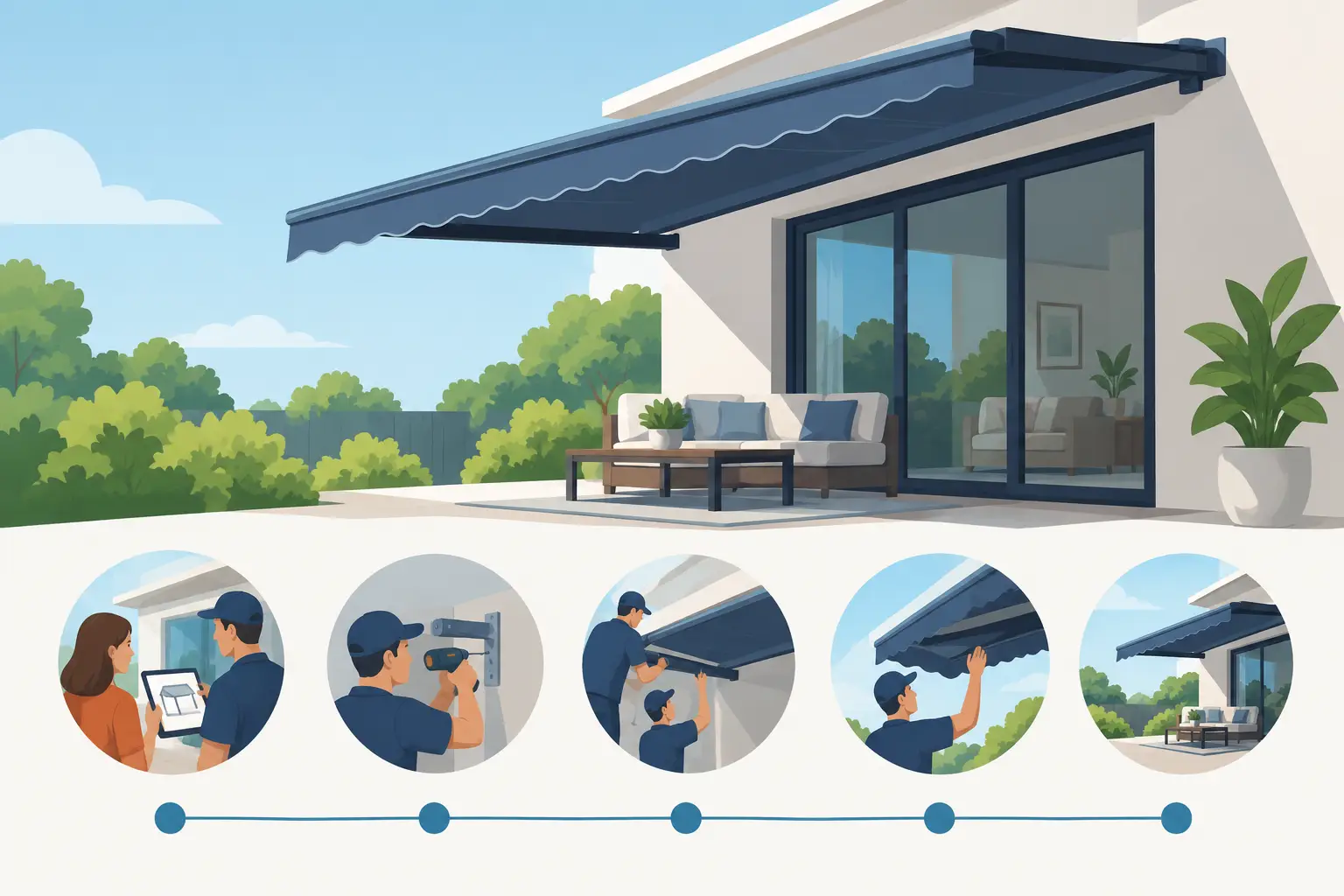
You should also ask who handles the project from consultation through installation. Clear communication matters. So does accountability after the job is done. A long-established local contractor brings something national sellers and pop-up installers often cannot – familiarity with regional weather, local building expectations, and the kind of follow-through homeowners remember.
For many homeowners, that peace of mind is part of the investment. Companies like May Awning & Patio have built their reputation over decades by designing and installing structures that are made for real use, not just curb appeal.
Common mistakes to avoid
One of the biggest mistakes is buying for summer only. In this climate, a patio cover has to perform through much more than a few hot afternoons. Another is choosing a style based solely on appearance without thinking through light control, water management, and maintenance.
Homeowners also sometimes underestimate the importance of installation quality. Even a strong product can disappoint if it is attached poorly, pitched incorrectly, or designed without regard to drainage. The details matter. So does local experience.
Finally, avoid treating the patio cover as an isolated project. Consider how it will work with your yard, your doors and windows, and the way your family moves through the outdoor space. The best results come when the structure feels integrated from the start.
A patio cover should make your home easier to enjoy, not harder to maintain. If you choose with climate, comfort, and long-term performance in mind, you will end up with a space that earns its keep every season.

Related Posts
Comments (0)