
Compare the best carport designs for homes, from attached covers to freestanding structures, with practical tips for Pacific Northwest weather and style.

Eco Friendly Patio Covers That Last
A patio cover that looks good on day one but warps, leaks, or needs replacing too soon is not a very green choice. For many homeowners, eco friendly patio covers are less about chasing trends and more about making practical decisions that reduce waste, improve comfort, and hold up in real Northwest weather.
That matters in the Portland and Vancouver area, where a patio cover has to do more than cast a little shade. It has to deal with long wet seasons, shifting temperatures, moss, debris, and the kind of use that comes with trying to enjoy your outdoor space more months out of the year. The most sustainable option is usually the one that fits your home well, performs reliably, and avoids the cycle of constant repairs and early replacement.
What makes patio covers eco friendly?
There is no single feature that makes one patio cover automatically better for the environment. In most cases, it comes down to a combination of material choice, lifespan, maintenance needs, and how the structure affects your home’s energy use.
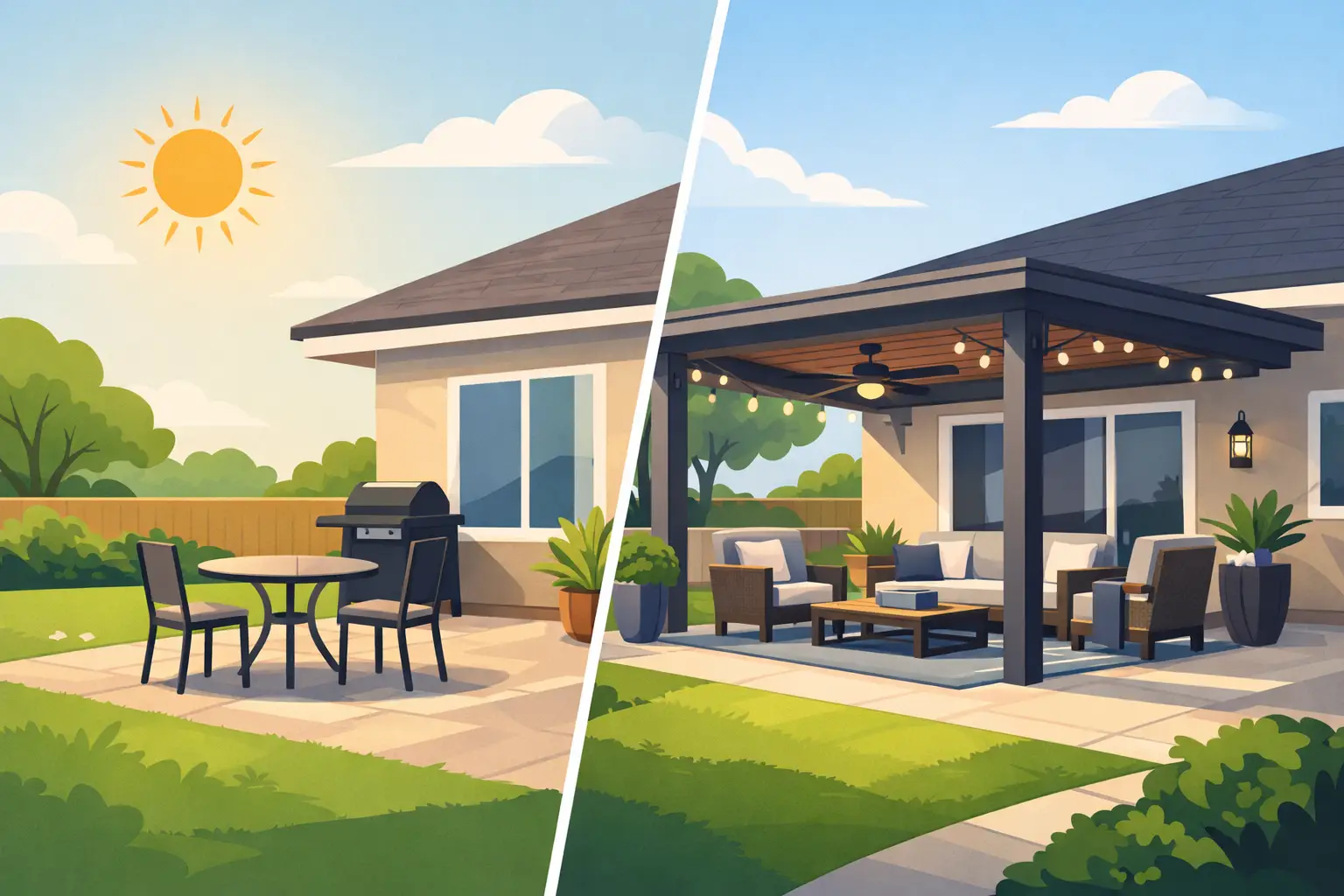
A cover that reduces direct sun on windows and doors can help lower indoor heat gain during warmer months. A design that protects a patio from rain can make outdoor space more usable, which often adds value without the footprint of a larger enclosed addition. And materials that resist rot, insect damage, and corrosion can stay in service longer, which means fewer replacement products heading to the landfill.
The trade-off is that some materials marketed as natural or green may need more upkeep, more coatings, or more frequent replacement in a damp climate. Others may have a higher upfront cost but offer a much longer service life. That is why the best answer is rarely one-size-fits-all.
Eco friendly patio covers and material choices
Material selection is where most homeowners start, and for good reason. The frame and roof system determine how much maintenance you’ll be dealing with and how long the structure is likely to last.
Aluminum patio covers
For many homes in the Pacific Northwest, aluminum is one of the most practical choices. It is durable, lightweight, and resistant to rust and insect damage. It also does not absorb moisture the way wood can, which is a major advantage in rainy conditions.
From an environmental standpoint, aluminum can be a smart option because it lasts a long time and is often recyclable. It also tends to require less maintenance over the years. That means fewer paints, stains, sealers, and replacement parts. If your goal is to install once and enjoy the structure for decades, aluminum deserves serious consideration.
The main trade-off is appearance. Some homeowners prefer the warmth of real wood, especially on traditional homes. That said, modern aluminum systems offer cleaner lines and finished looks that work well with many architectural styles.
Wood patio covers
Wood appeals to homeowners who want a natural look and a custom-built feel. When sourced responsibly, wood can be part of an environmentally conscious project. It is renewable, familiar, and visually attractive.
But climate matters. In the Portland and Vancouver area, wood needs regular maintenance to stay in good condition. Moisture, mildew, and seasonal wear can shorten its life if it is not properly finished and cared for. If a wood cover is neglected, it may need repairs or replacement sooner than expected, which can offset the sustainability appeal.
Wood can still be the right choice when appearance is the top priority and the owner is prepared for the upkeep. It simply helps to go in with clear expectations.
Insulated roof panels
An insulated patio cover can be especially useful for homeowners who want stronger temperature control. These systems help reduce heat buildup under the cover and can also make adjacent indoor areas more comfortable by limiting direct sun exposure.
That can support lower cooling demand during summer, especially on west-facing or south-facing patios. Insulated systems also tend to create a more finished outdoor room feel, which can increase daily use of the space.
The trade-off is cost. These covers usually cost more than simpler open-lattice or standard panel designs. Still, for households looking at long-term comfort and energy performance, they often provide strong value.
Design choices matter as much as materials
A well-designed structure can be more eco friendly than a poorly planned one, even if both use similar materials. Size, orientation, roof style, and shade coverage all influence performance.
If a cover is too small, it may not protect the areas that get the harshest afternoon sun or the heaviest rain exposure. If it is oversized or poorly placed, it can darken interior rooms more than necessary. The goal is balance – enough protection to improve comfort and reduce heat gain, without making the home feel closed in.
Lattice and pergola-style covers can be a good fit when you want filtered light and a more open look. Solid roof covers are better when rain protection is the priority. In a region where outdoor living often depends on shelter from drizzle and wet surfaces, many homeowners lean toward more complete coverage.
This is also where custom design matters. A patio cover should work with your roofline, drainage patterns, and existing architecture. A structure that looks like an afterthought tends to age poorly, both functionally and visually.
Why durability is part of sustainability
One of the easiest mistakes in this category is assuming that eco friendly means lightweight, minimal, or inexpensive. In reality, durability is often the greener path.
When a patio cover stands up to years of rain, wind, and sun without major failure, it reduces material waste and saves the owner from repeat spending. That is especially true in the Northwest, where water exposure can reveal shortcuts quickly. Weak attachment points, poor drainage, and low-grade materials tend to show problems fast.
A stronger installation may cost more upfront, but if it lasts substantially longer, it often becomes the better environmental and financial decision. This is one reason experienced local contractors bring real value. They understand what performs well in this climate and what tends to need service too soon.
Maintenance has an environmental cost too
Homeowners do not always think of maintenance as part of sustainability, but it should be part of the conversation. Every repainting cycle, replacement panel, cleaning product, and repair visit adds cost and resource use over time.
Low-maintenance patio covers can reduce that burden. Aluminum and insulated cover systems typically need less ongoing attention than exposed wood structures. That does not mean maintenance-free, but it does mean fewer recurring materials and less labor over the life of the project.
For busy families, retirees, and homeowners planning to stay in place long term, that practical advantage matters. A patio cover should make life easier, not add another exterior project to the to-do list every season.
Choosing eco friendly patio covers for Northwest homes
In this market, the best eco friendly patio covers usually share a few qualities. They are built for moisture resistance, designed for real shade and rain protection, and installed with long-term performance in mind. They also match how the homeowner actually uses the space.
If you host often and want year-round use, a solid or insulated cover may be worth the investment. If your main goal is soft shade and visual appeal, a pergola or lattice design may be enough. If low maintenance is non-negotiable, aluminum will often make the most sense.
Budget is part of the equation too. There is nothing sustainable about stretching into a project that does not fit your finances. A well-chosen patio cover at a realistic budget will usually serve you better than a more expensive option that includes features you do not need.
This is where an on-site consultation can save time and money. Looking at sun exposure, drainage, home orientation, and architectural style in person leads to better decisions than trying to choose from photos alone. For a local company like May Awning & Patio, that practical, custom-first approach is what helps homeowners end up with a structure that truly fits.
A better patio cover is one you can live with for years
The most responsible home improvement choice is often the one that keeps performing long after the excitement of installation wears off. Eco friendly patio covers do that when they reduce heat, expand usable outdoor space, and hold up without constant maintenance or early replacement.
If you are weighing options, focus less on labels and more on lifespan, weather performance, and fit for your property. A patio cover that is built for your home and your climate is usually the one that delivers the best long-term value. When your outdoor space stays comfortable through bright summer afternoons and rainy Northwest mornings alike, that is a practical kind of sustainability you can feel every day.

Related Posts
Comments (0)