
Compare the best carport designs for homes, from attached covers to freestanding structures, with practical tips for Pacific Northwest weather and style.
Pergola Builder for Backyard Shade
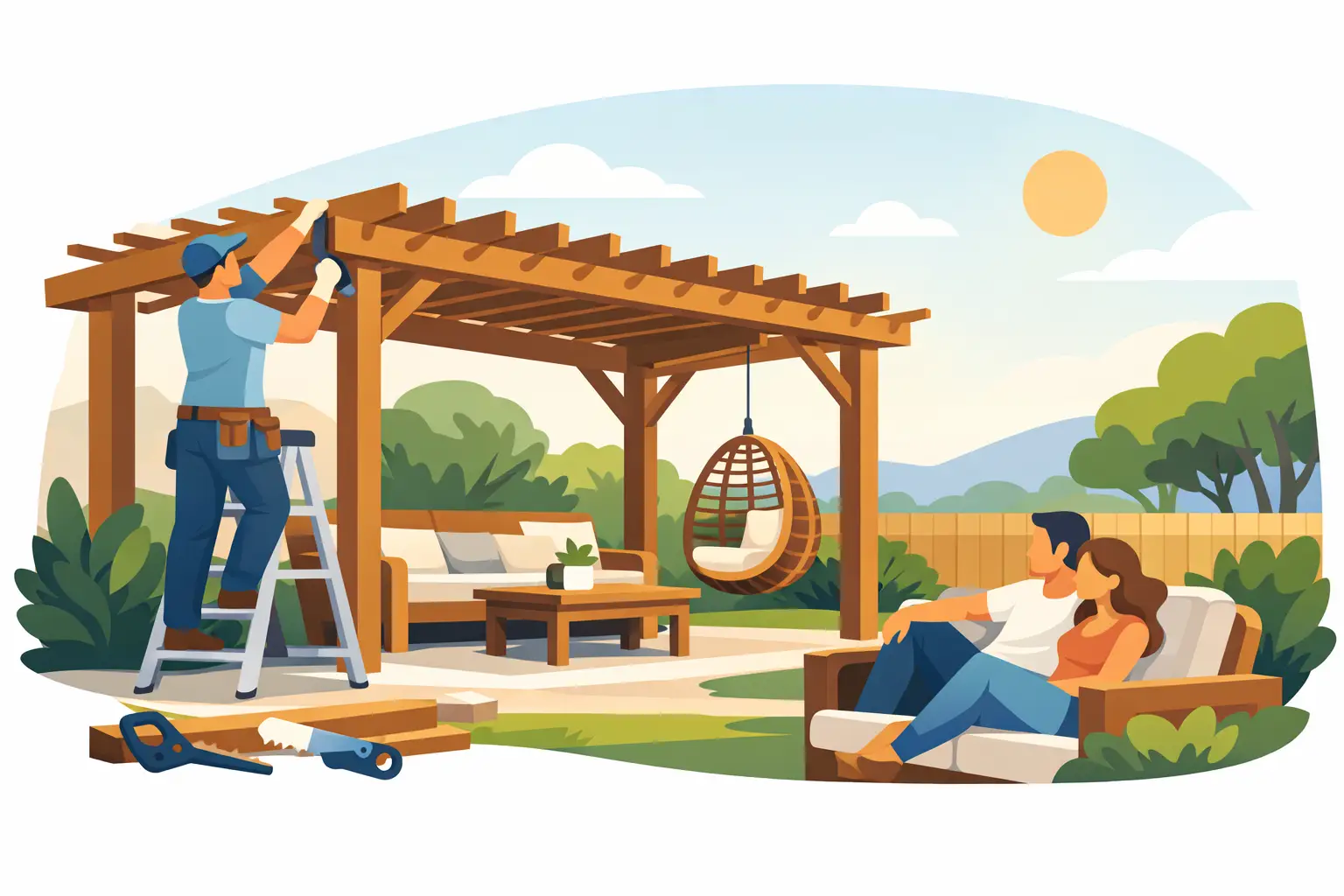
A backyard that gets too much afternoon sun usually stops being useful right when you want it most. If you are looking for a pergola builder for backyard shade, the real goal is not just adding a structure. It is creating a comfortable outdoor area that fits your home, handles Northwest weather, and gives you the right balance of light, coverage, and style.
In the Portland and Vancouver area, that balance matters. Our weather is not as simple as hot summers and mild evenings. We get bright sun, steady rain, damp conditions, and long stretches where a backyard feature has to keep looking good while doing real work. That is why choosing the right pergola builder is less about finding the cheapest option and more about finding a contractor who understands how shade structures perform over time.
What a pergola builder for backyard shade should actually solve
A pergola can make a patio more inviting, but appearance alone should not drive the project. Homeowners usually start looking for a pergola because they are dealing with a practical problem. The patio is too hot to use in the afternoon. Outdoor furniture fades too quickly. Guests end up moving inside. A backyard with good potential never quite becomes part of daily life.
A qualified pergola builder should help solve those issues with a design that suits the space instead of forcing a standard kit into place. That means looking at sun direction, patio size, rooflines, drainage, and how you want to use the area. A pergola for dining has different needs than one meant for quiet seating by a garden or a larger gathering space near a pool or outdoor kitchen.
Shade is also not one-size-fits-all. Some homeowners want filtered light. Others want stronger coverage during peak summer hours. Some want a pergola as a stand-alone feature, while others need it integrated with an existing patio cover, deck, or exterior design. A good builder works through those details before materials are ordered and posts are set.
Pergola shade options are not all the same
One of the biggest misconceptions is that every pergola provides the same amount of shade. It does not. The spacing of the overhead members, the orientation of the structure, the height, and the size all affect how much sunlight gets through.
An open lattice-style pergola creates a lighter, airier feel and can be ideal if you want partial shade without fully closing in the yard. That works well for homeowners who enjoy natural light but want relief from direct sun. On the other hand, if your patio faces strong western exposure, partial shade may not be enough. In that case, a builder may recommend a denser top design or an attached structure that provides more consistent coverage.
This is where local experience matters. In the Pacific Northwest, many homeowners want a structure that improves summer comfort without making the backyard feel dark during the rest of the year. That takes careful planning. The right pergola builder will explain the trade-offs clearly, because more coverage can mean more protection but less openness, and a more decorative design may not deliver the strongest sun control.
Custom design matters more than most homeowners expect
A pergola looks simple from a distance, but getting one right takes more than basic carpentry. Proportion, placement, and attachment details all affect how the finished project looks and how well it holds up.
A pergola that is too small can look disconnected from the house. One that is too large can overwhelm the patio and block useful light from nearby windows. Post placement has to support the structure without making the space awkward to walk through or furnish. If the pergola ties into the home, flashing, mounting, and drainage details become even more important.
Custom design also helps match the architecture of the home. A traditional house may call for a different profile and finish than a more modern property. The right builder should be able to guide those choices in a practical way, not just hand you a catalog and ask what looks nice. Homeowners usually appreciate that kind of support because it reduces guesswork and leads to a finished result that feels intentional.
Materials make a long-term difference
When comparing pergola builders, materials deserve close attention. The Pacific Northwest can be hard on outdoor structures, especially when moisture, seasonal debris, and temperature swings are part of normal conditions.
Wood pergolas can be beautiful, but they usually require more maintenance. For some homeowners, that is worth it. For others, ongoing staining, sealing, and repair become a frustration after the first few years. Aluminum and other durable low-maintenance materials often make better sense if you want long-term performance with less upkeep.
This is one area where cheaper bids can be misleading. A lower upfront cost may come with thinner materials, weaker finishes, or installation shortcuts that do not show up until later. Posts can shift. Connections can loosen. Surfaces can age unevenly. A better-built pergola tends to cost more at the start, but it often pays off in durability, appearance, and fewer service issues down the road.
How to evaluate a pergola builder for backyard shade
Homeowners do not need to become construction experts to choose the right contractor, but a few things are worth paying attention to.
First, look for a company that offers on-site consultation rather than quoting from a single photo or rough dimensions. Backyard shade projects depend on real conditions, and serious builders want to see those conditions for themselves.
Second, ask how the structure will be customized for your property. If every answer sounds generic, that is a concern. A contractor with real experience should talk through sun exposure, use of space, drainage, aesthetics, and material options.
Third, pay attention to how the builder talks about installation and support after the job is done. Shade structures are long-term improvements. Warranty coverage, service responsiveness, and accountability matter. A family-owned company with decades of local work behind it often brings a level of reliability that newer or less established operators cannot easily match.
For many homeowners in this region, that is part of the value of working with a company like May Awning & Patio. Experience since 1967 means the process is not being figured out on your property. It means the builder has seen different home styles, changing weather patterns, and the kinds of performance issues that only show up over time.
Why local climate should shape the design
In Oregon and Southwest Washington, backyard shade is not just about blocking heat. It is about making outdoor areas more usable across changing conditions. A pergola has to feel comfortable in summer, but it also has to coexist with damp seasons and regular rainfall.
That affects everything from footing and anchoring to material choice and roofline relationship. It can also affect whether a pergola is the best fit by itself or whether another shade or cover option should be considered. Sometimes homeowners start with a pergola in mind but realize they need more weather protection than an open overhead structure can provide. A trustworthy contractor will say so.
That kind of honesty is valuable. Not every backyard needs the same solution, and not every pergola design makes sense for every property. The right recommendation should be based on how you live, how your yard is exposed, and how much maintenance you want to take on.
The best pergola projects improve daily life
The strongest backyard projects are not just visually appealing on installation day. They change how the space gets used. A once-hot patio becomes a place for family dinners. Morning coffee moves outside. Weekend gatherings last longer. Furniture and surfaces stay more comfortable during summer heat.
That is the difference between simply buying a structure and investing in a well-planned improvement. A pergola should add comfort, support the look of your home, and hold up with confidence year after year. It should feel like part of the property, not an afterthought.
If you are comparing contractors, look beyond the photos. Ask who will design it, who will install it, what materials are being used, and what happens if you need service later. A dependable pergola builder will welcome those questions because good work stands up to careful evaluation.
The right backyard shade project starts with a clear conversation, not a sales pitch. When a builder listens closely, designs for your actual space, and builds with long-term performance in mind, the result is more than shade. It is a backyard you can count on using more often.

Related Posts
Comments (0)